Understanding Healing Through Taoist Balance
In medicine, we often speak about restoring balance to the body and guiding patients through uncertainty. The relationship between Taoism and medicine reflects this same pursuit of harmony. Taoist philosophy teaches that healing emerges when the mind, body, and spirit move in alignment with the natural rhythms of life. When I reflect on the work I do each day, I find that many Taoist principles echo the quiet lessons learned in the operating room and at the bedside. They remind me that healing is not only a procedure. It is also a state of balance, presence, and connection.

Taoism teaches that all things follow the Tao, the natural way that flows through the universe. Health is understood as the smooth, uninterrupted movement of life energy, or qi, within the body. When this flow is blocked or disrupted, illness can appear. As a physician, I see how stress, fear, and emotional strain affect recovery. Healing requires more than repairing a physical problem. It requires helping patients find steadiness and calm in the midst of challenge.
Stillness, Focus, and the Wisdom of the Present Moment
A core teaching in Taoism is the value of stillness. Stillness creates clarity. In surgery, stillness and presence are essential. Before each procedure, I take a quiet moment to breathe, gather myself, and prepare for the work ahead. This moment reminds me that strength does not come from force, but from intention and alignment. Taoism encourages movement without resistance, action without aggression, and calm in the heart of complexity.
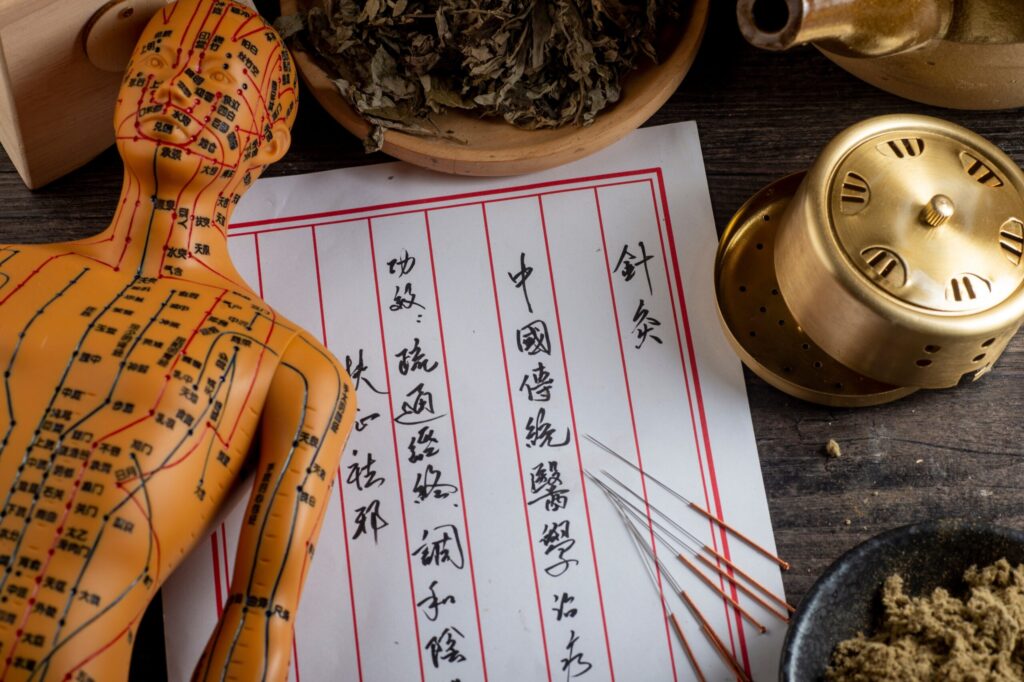
The same principle applies to recovery. Patients who approach healing with patience and steady effort often make meaningful progress. They listen to their bodies, honor their limits, and focus on restoration rather than urgency. Taoist thought encourages this gentler approach. It teaches that healing has its own pace and that forcing outcomes can create imbalance rather than recovery.
The Connection Between Nature and Inner Healing
Taoist philosophy emphasizes that humans are part of nature, not separate from it. Mountains, rivers, wind, and sky reflect the balance we seek within ourselves. When individuals tell me that being outdoors eases their anxiety or steadies their emotions, I understand why. Nature offers a reminder of continuity, renewal, and quiet strength.
Healing is most complete when it includes the emotional and spiritual aspects of well-being. When we create a calm environment, listen fully, or support a patient through fear, we help restore the inner balance that Taoism describes. Healing becomes more comprehensive when the body, mind, and spirit move together rather than in conflict.
Practicing Humility in the Work of Medicine
Taoism teaches the importance of humility. Water, one of its central symbols, is soft yet powerful. It adapts, flows, and transforms without demanding control. This image resonates deeply with me as a physician. It reminds me to approach each patient with humility, recognizing that while I bring skill and experience, I am not the final source of healing. My role is to guide, support, and serve the natural processes that allow the body and spirit to mend.
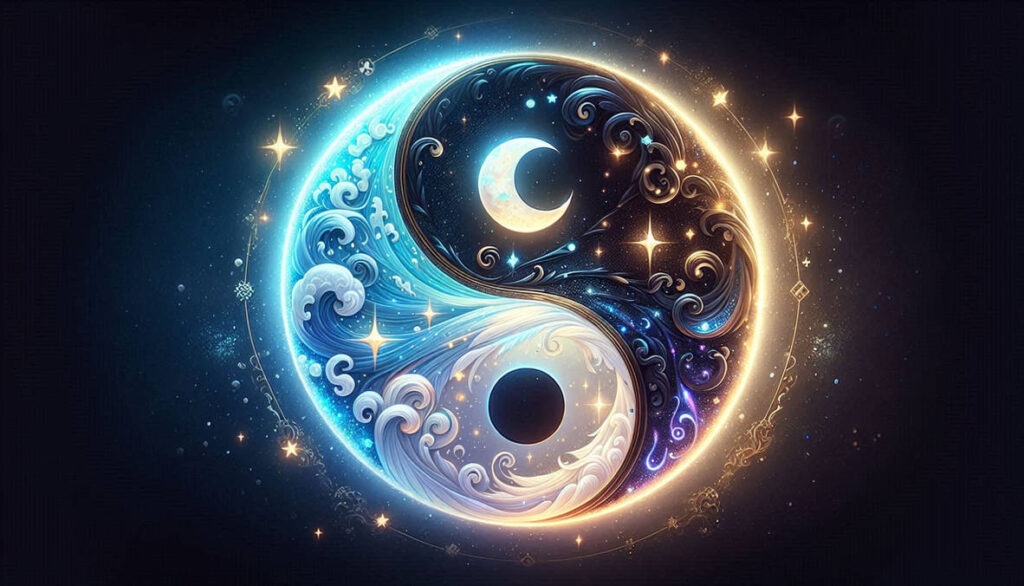
When I encounter difficult moments in medicine, Taoist teachings remind me to let go of the need for complete control and to meet each situation with awareness and openness. Healing requires partnership, trust, and patience, not force or urgency. Taoism reinforces that health unfolds through cooperation with life’s natural rhythms.
Taoism and Medicine as Paths Toward Harmony
In the end, Taoism teaches that healing is the restoration of harmony. It is the gentle return to balance when life feels disrupted. The wisdom found in Taoism and medicine converges in the shared understanding that health is more than physical well-being. It is grounded in peace, connection, and the ability to move with life rather than against it.
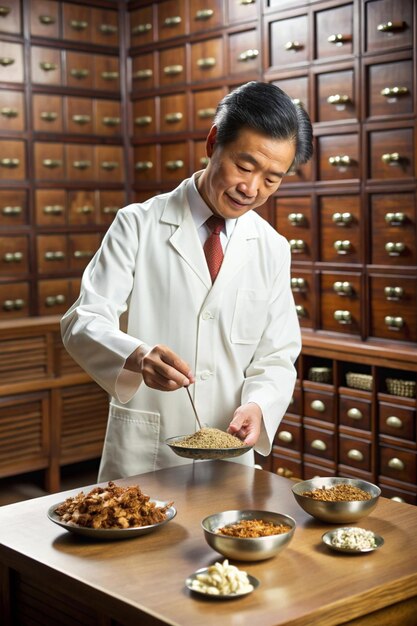
As I continue my work as a physician, I carry these teachings with me. They help me approach each patient with presence, navigate challenges with calm, and honor the healing journey as both a scientific and spiritual path. Taoism reminds me that medicine is not only about repairing what is broken. It is the quiet, steady work of restoring harmony where it has been lost.
Jim