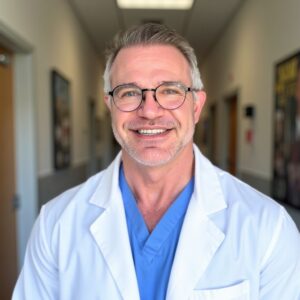
By James C. Wittig, M.D
A Catholic Perspective on Healing and the Gift of Life
In medicine, we encounter moments that reveal both the fragility and the resilience of the human body. The relationship between Catholicism and medicine reflects a profound reverence for this gift of life. In the Catholic tradition, caring for the sick is understood as an act of mercy and a participation in God’s healing work. Reflecting on my vocation as a physician, this perspective offers clarity and purpose. It reminds me that healing is not only a scientific pursuit, but also a sacred responsibility.
Catholicism in Practice
Catholicism teaches that every human person possesses inherent dignity. Each life, from its beginning to its natural end, is considered sacred. When I sit with a patient or speak with a family, I am reminded that I am treating someone created out of love, someone whose life carries meaning beyond what a scan or examination can reveal. This belief influences how I listen, how I decide, and how I care. It reinforces that healing is both an act of science and an act of respect.
Compassion, Presence, and the Meaning of Suffering
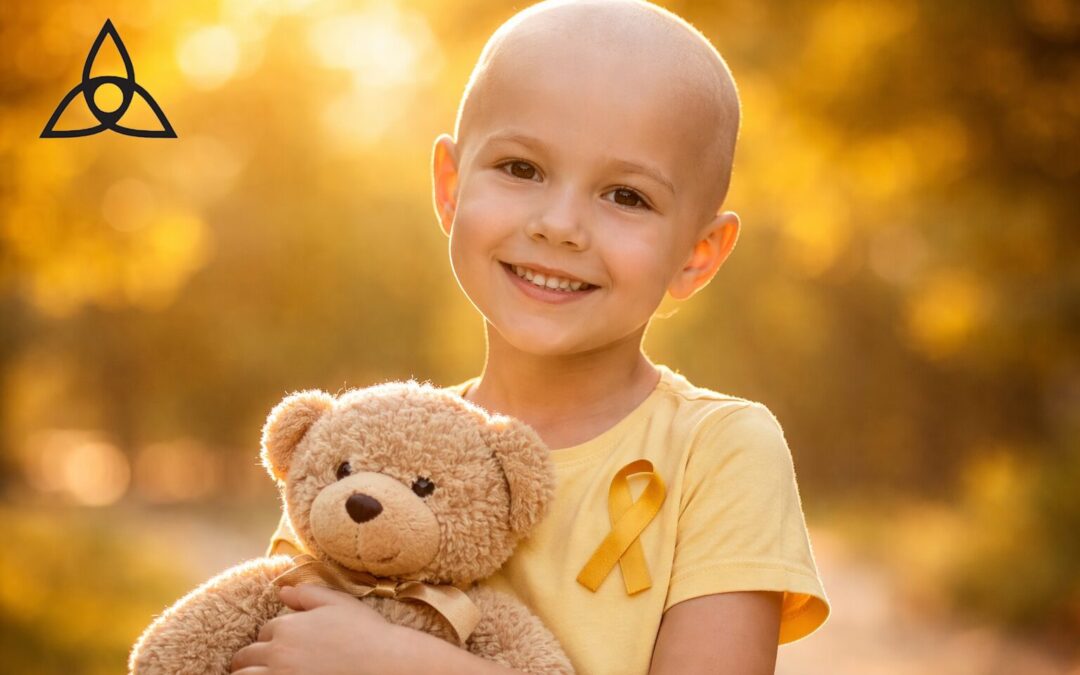
Catholic teaching acknowledges the mystery of suffering. It does not deny the reality of pain, yet it also recognizes that presence brings comfort and meaning in times of illness. I have witnessed how compassion eases burdens that medical treatment alone cannot lift. A gentle conversation, a moment of reassurance, or simply staying with someone through fear or uncertainty supports healing in ways that reach beyond the physical.

In the Gospels, Christ walked with the sick, comforted the weary, and restored the broken. Catholicism invites us to approach those who suffer with the same spirit of compassion and solidarity. This guidance shapes how I care for patients during their most vulnerable moments. It reminds me that healing involves more than procedures. It consists of honoring the person standing before me.
Sacramental Healing and the Role of Prayer
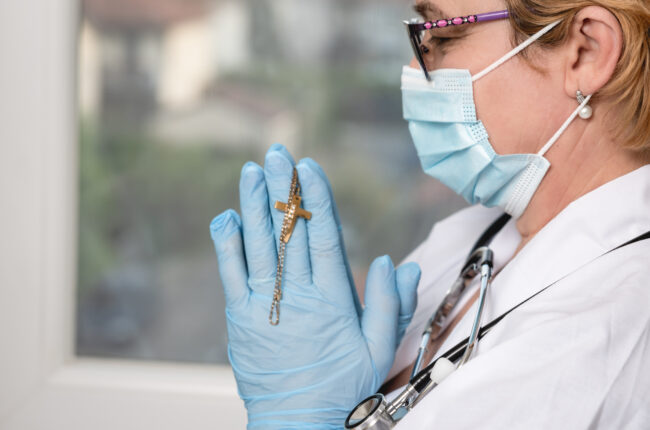
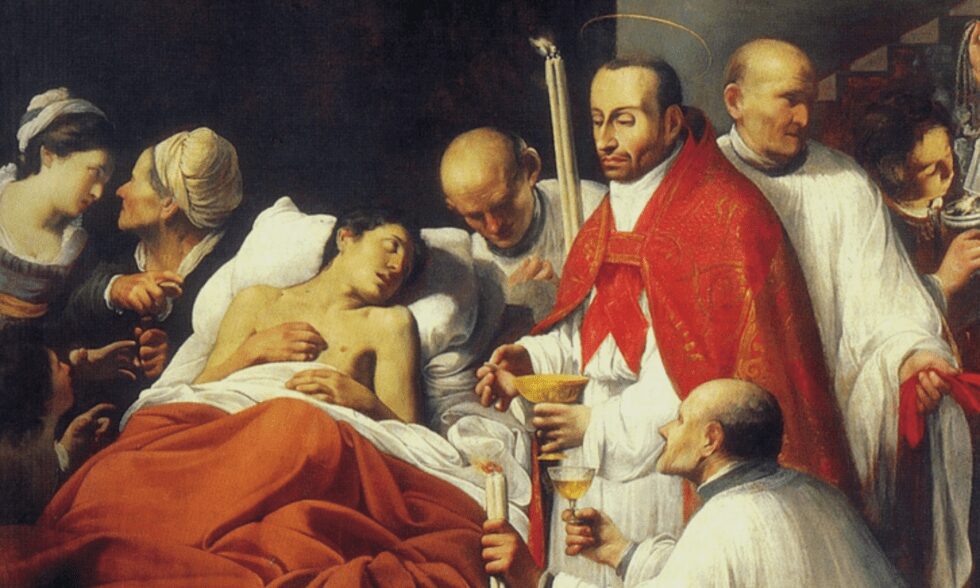
The Catholic tradition offers the Sacrament of the Anointing of the Sick as a source of strength, peace, and spiritual healing. It is not limited to the end of life. It is given whenever someone faces illness, fear, or physical struggle. I have witnessed how prayer and blessing calm a patient’s spirit before surgery or bring comfort to a family waiting for news. These moments reveal that healing touches body, mind, and soul.
Catholicism also teaches that physicians share in Christ’s healing ministry. This belief fosters humility. My training and experience matter, but the outcome of any intervention does not rest solely with me. Healing ultimately comes from God. My role is to use my skills with diligence, compassion, and reverence, recognizing that I am part of something greater than myself.
A Holistic Vision of Health, Community, and Hope
Catholic tradition emphasizes that healing occurs within the context of community. Families, caregivers, nurses, and physicians all contribute to the well-being of those who are ill. When people gather, pray, listen, and support one another, healing becomes a shared experience. This sense of community strengthens resilience and offers hope even in difficult circumstances.
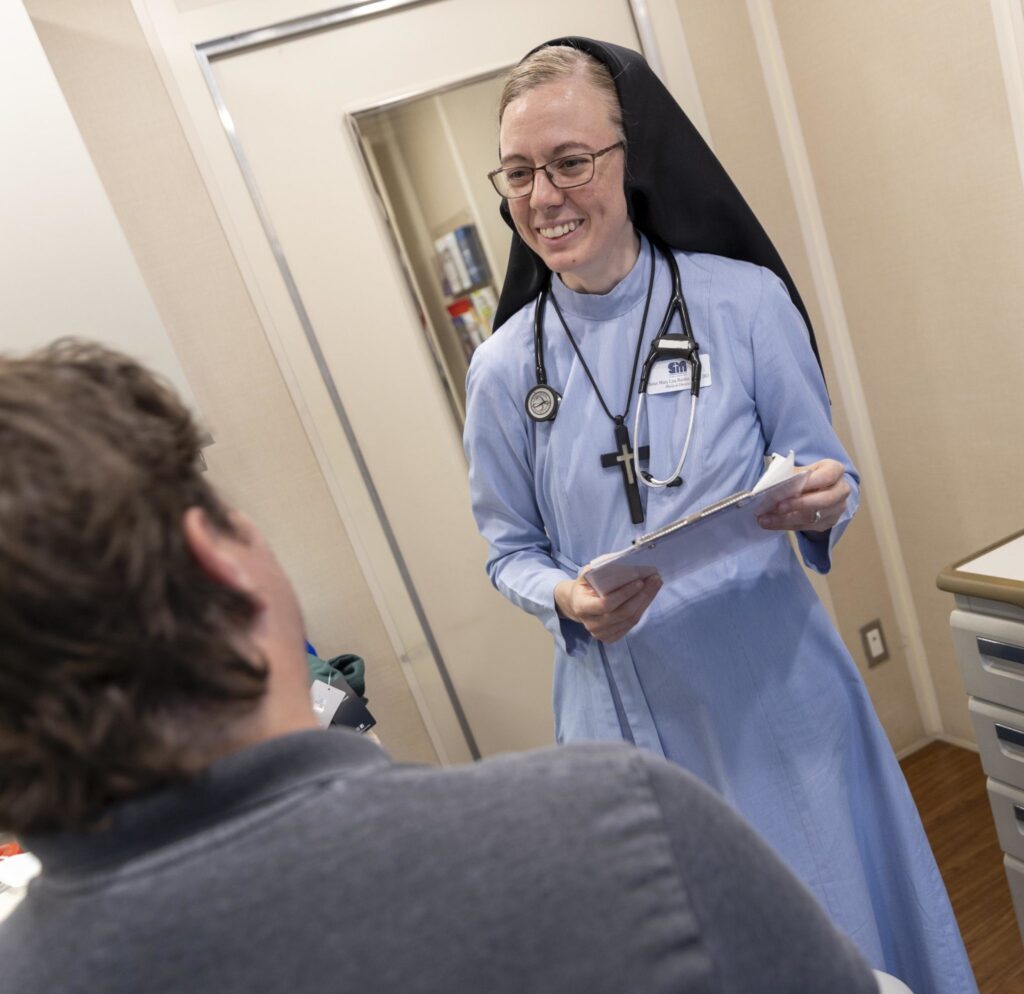
Hope is central to the Catholic faith. It is not the denial of suffering. Instead, it is the belief that God remains present in all circumstances. I see this hope in patients who face their illness with remarkable courage, in families who stand together in solidarity, and in the quiet peace that sometimes fills a room despite uncertainty. These moments remind me that healing is not defined only by medical success but also by the grace that emerges along the way.
Catholicism and Medicine in the Service of Life
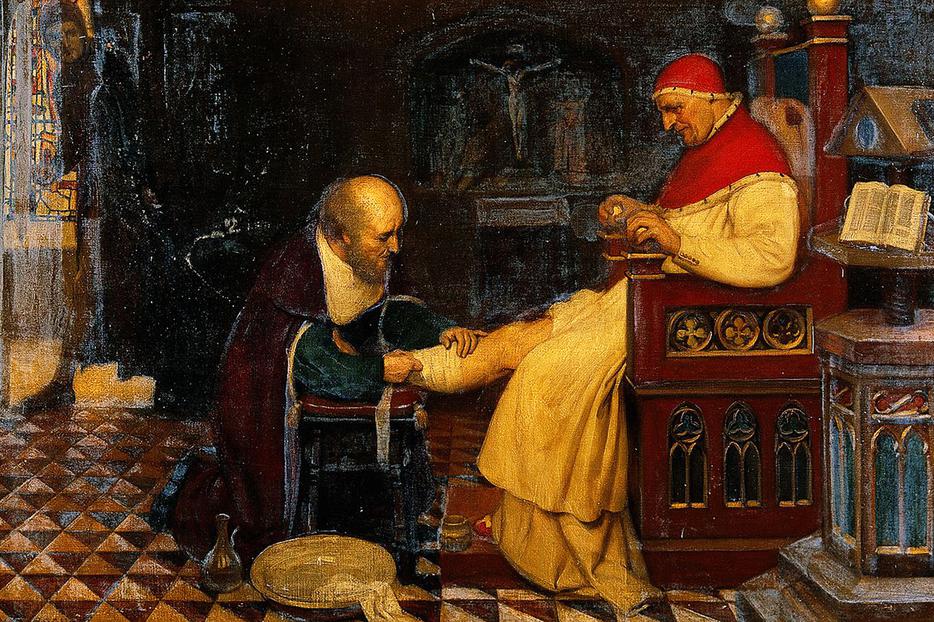
In the end, Catholicism teaches that healing is an expression of love rooted in the dignity of every person and the belief that God walks with us in times of illness. The values found in Catholicism and medicine intersect in their shared mission to care, to comfort, and to restore. As I continue my journey as a physician, I hold onto these teachings. They remind me that each patient encounter is an opportunity to serve with compassion, to witness courage, and to participate in the sacred work of healing.
I am grateful for the wisdom that Catholicism brings to the practice of medicine. It teaches that healing engages not only the body, but also the heart, mind, and soul.
Jim