By James C. Wittig, M.D
Limb-Sparing Surgery History
Limb-sparing surgery, also known as limb-salvage surgery, has transformed the way we treat osteosarcoma and soft-tissue sarcomas. Today, preserving a patient’s limb while completely removing the tumor is standard practice. However, this was not always the case. The advanced modular prostheses, imaging techniques, and chemotherapy regimens we rely on today are the result of decades of innovation and collaboration among early pioneers in orthopedic oncology. Understanding the history of limb preservation is essential to appreciating how far our field has come. The earliest limb-sparing surgeries were challenging and highly complex. These early experiences laid the foundation for the predictable and successful outcomes we achieve today.
The Early Era of Limb-Sparing Surgery
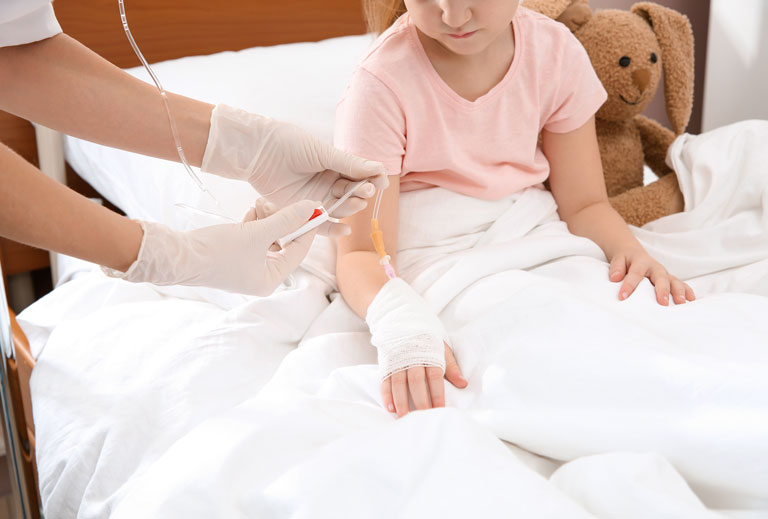
In the 1970s and early 1980s, when a bone tumor was resected and the limb preserved, it often took up to three months to manufacture a custom prosthesis. Children undergoing surgery were kept on chemotherapy during this waiting period to prevent tumor progression. Modular segmental prostheses had not yet been developed, and every reconstruction required a unique, handcrafted implant.
During this transformative period, groundbreaking work was conducted at Memorial Sloan Kettering Cancer Centre. Pioneers such as Ralph Marcove, MD (orthopedic oncologist), Gerald Rosen, MD (medical oncologist), and Andrew Huvos, MD (pathologist) developed early treatment protocols that shaped modern limb-salvage surgery. Their work marked the beginning of a shift away from amputation and toward safe and effective limb preservation.
Initial Focus on Distal Femur Osteosarcoma
The first limb-saving procedures were performed on patients with distal femur osteosarcoma, one of the most common primary bone cancers. At that time, removing the entire femur was often necessary to achieve clear margins. Once removed, the specimens were meticulously studied by Dr Huvos and his pathology team. As imaging advanced, particularly with the emergence of MRI, surgeons gained the ability to better visualise tumour extent. This enabled smaller, more precise resections, thereby improving both oncologic safety and long-term function.
The Impact of Preoperative (Neoadjuvant) Chemotherapy
As Dr Marcove gained experience, he observed that administering chemotherapy before surgery was critical to improving surgical outcomes. Preoperative chemotherapy began to shrink tumors and kill malignant cells, which allowed for safer and more predictable resections.
Dr Huvos later developed a tumor necrosis classification system that quantified the percentage of the tumor destroyed by chemotherapy. This tool became essential in predicting patient prognosis. Patients who demonstrated a strong response, often called good responders, consistently experienced better long-term outcomes.
Although long-term survival remains similar whether chemotherapy is administered before or after surgery, the surgical benefits of preoperative therapy are clear. Even a partial response can improve the ability to define margins, establish safer surgical planes, and preserve the limb.
How These Early Advances Shaped Modern Limb-Sparing Surgery
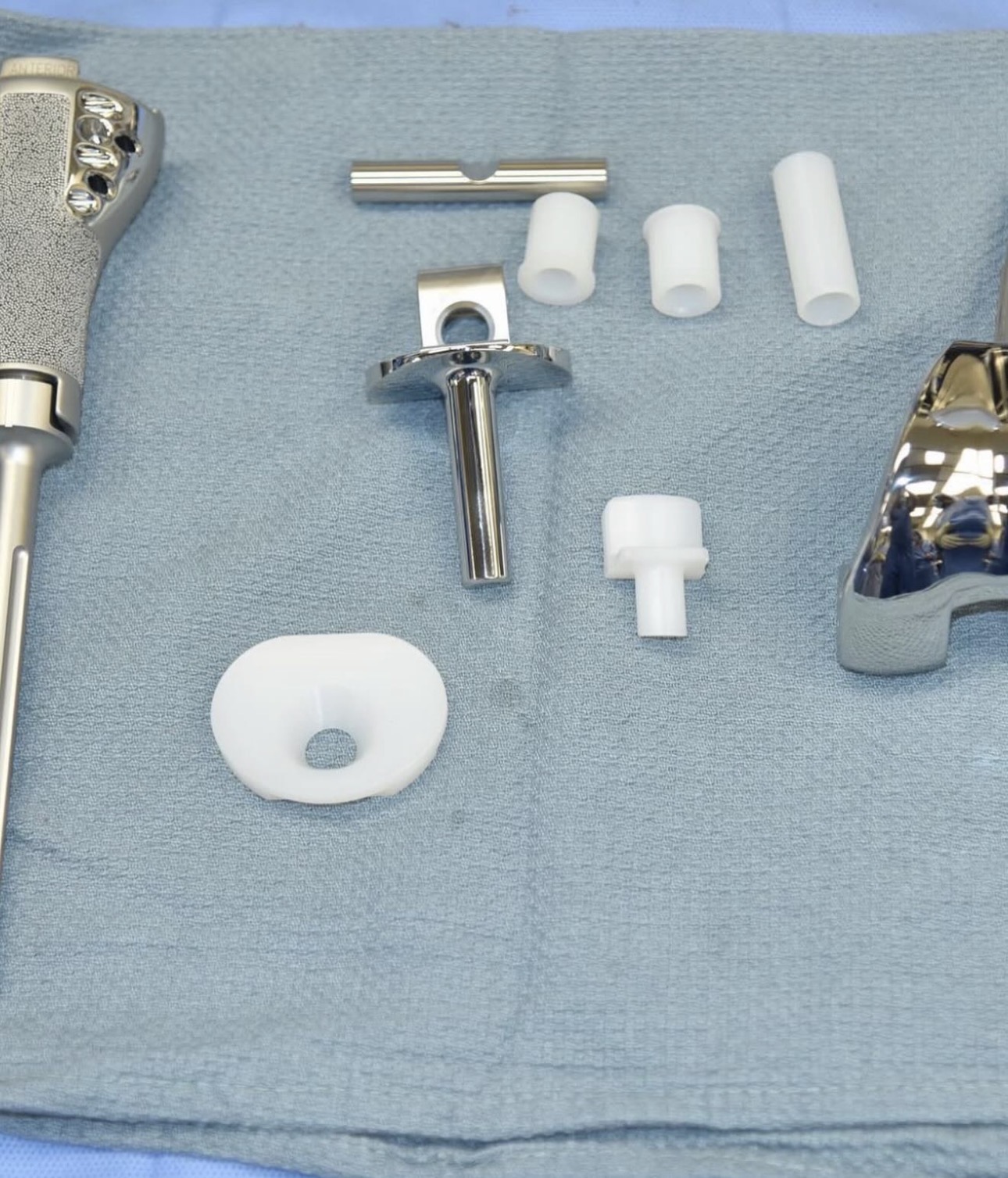
As imaging, chemotherapy, and prosthetic reconstruction evolved, resections became significantly less extensive. The development of modular prostheses eliminated the need for custom implants, enabling faster surgery, quicker rehabilitation, and more reliable outcomes.
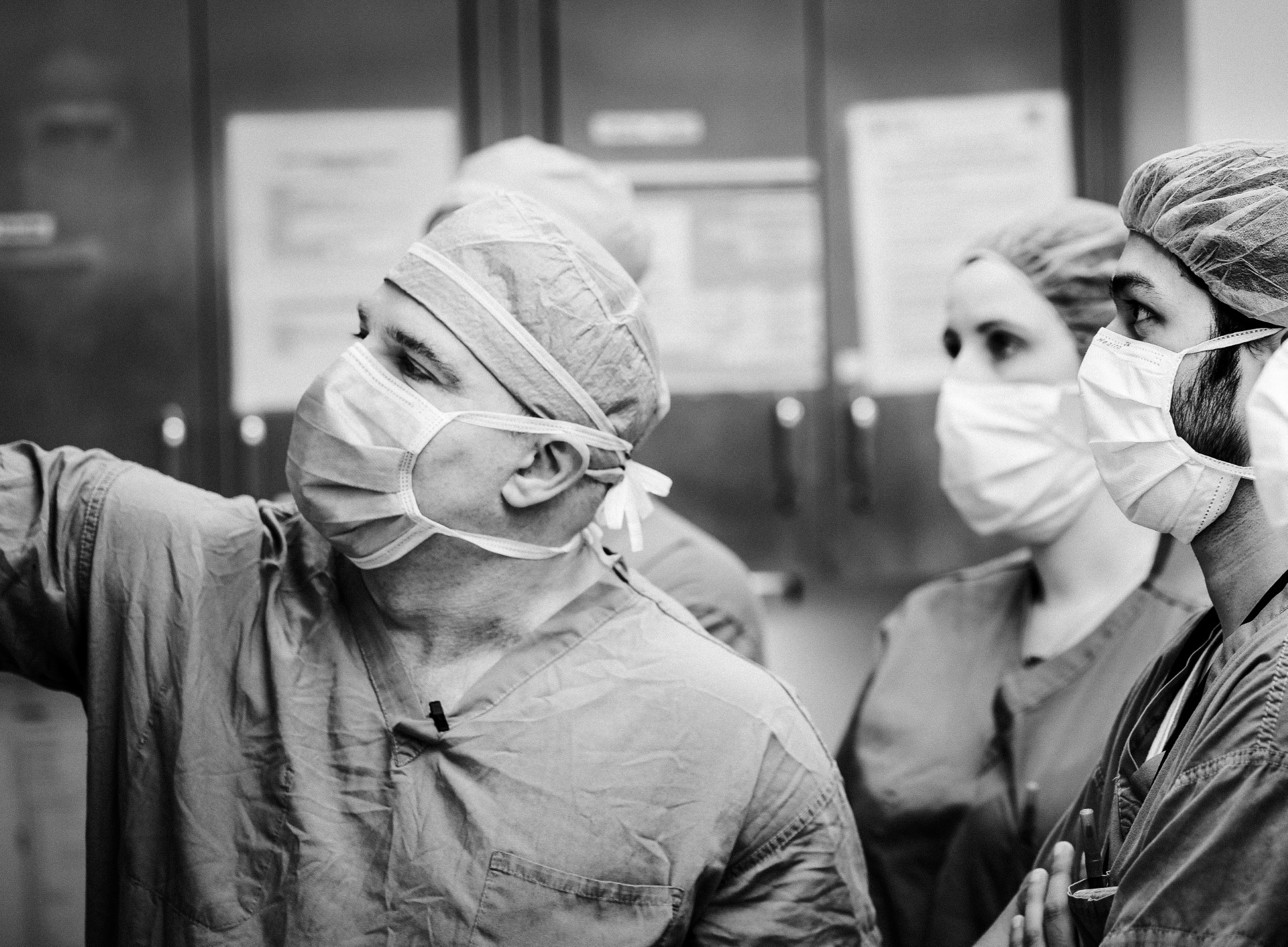
Today, limb-sparing surgery is a safe, proven, and highly effective treatment option for most patients with bone and soft-tissue sarcomas. The progress we have made reflects the courage of early patients and the dedication of the physicians who pushed the boundaries of what was possible. Each limb that is preserved honors that legacy. Every advancement in our field continues to improve the lives and futures of the patients we serve.
Jim