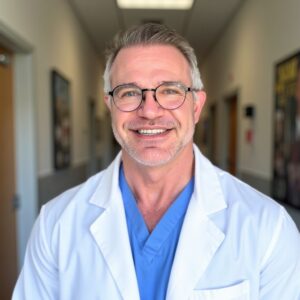
By James C. Wittig, M.D
Understanding Healing Through the Teachings of Islam
In medicine, healing is as much an act of compassion as it is an act of science. The relationship between Islam and medicine reflects this belief with remarkable depth. In Islamic tradition, caring for the sick is viewed as a form of worship and an expression of mercy. When I think about the work I am called to do as a physician, I find profound meaning in this idea. Healing becomes not only a clinical responsibility but also a moral and spiritual one.
Islam teaches that life is sacred. Every breath, every heartbeat, and every moment of existence is seen as a gift from God. This perspective brings a deep reverence into the care of patients. When I stand at a bedside or speak with a family, I often feel the weight of this responsibility. It encourages me to act with integrity, patience, and respect, knowing that each person is entrusted to my care for reasons that reach beyond my understanding.
One of the most beautiful concepts in Islam is rahma, which means mercy. It is considered one of the highest of God’s attributes. In medicine, mercy appears in the small moments: offering comfort during uncertainty, giving hope when fear feels overwhelming, or simply listening when a patient needs to be heard. Mercy transforms the clinical environment into a place of humanity, where compassion guides every decision.
Another principle in Islam is tawakkul, the practice of trusting in God while still acting responsibly. It teaches that while we do our best, the outcome rests in God’s hands. I see this reflected in patients who face their diagnosis with remarkable calm, acknowledging the uncertainty ahead but also placing trust in the healing process. Their faith strengthens their resilience, and their resilience enhances their recovery. It reminds me that healing is shaped by more than surgery or treatment. It is shaped by hope, trust, and the belief that one is not facing illness alone.

The Qur’an teaches that saving one life is as if saving all of humanity. This principle captures the sacredness of medical care. Every procedure, consultation, and moment of support carries significance. In the operating room, when the team moves together with precision and purpose, I am reminded of the greater meaning behind our work. There is a sense of unity, as if we are participating in something larger than ourselves, something that aligns with the Islamic vision of service and compassion.
Islam also emphasizes the balance between body, mind, and spirit. Health is seen as a state of harmony, and illness as a disruption of that balance. This perspective encourages a holistic approach to healing, one that recognizes the emotional and spiritual well-being of every patient. When I take the time to acknowledge a patient’s fears or to reassure a family, I am reminded that healing extends far beyond the physical. It touches the heart and uplifts the spirit.
A Call to Serve with Mercy and Purpose
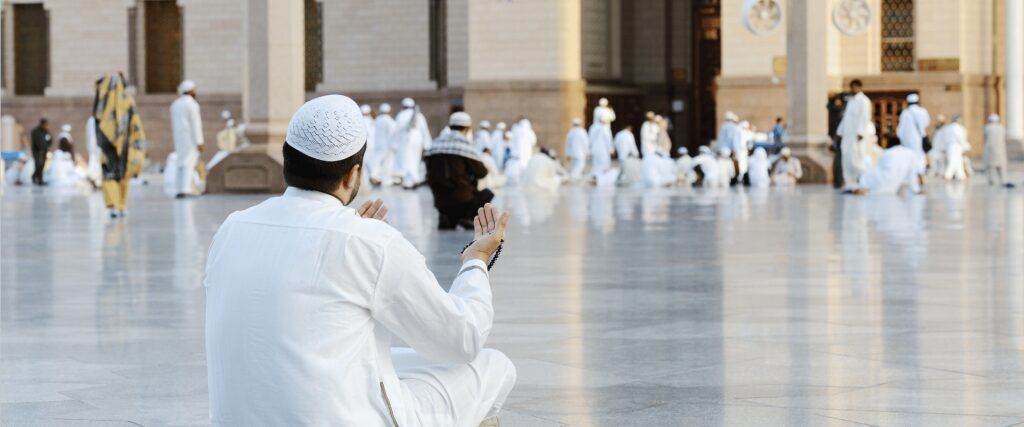
In the end, Islam teaches that healing is an act of service rooted in mercy, trust, and devotion. It invites both physicians and patients to walk the path of healing with humility and hope. Medicine and Islam share the same purpose. Both seek to preserve life, ease suffering, and restore harmony. As I continue my journey as a physician, I carry these teachings with me, grateful for the wisdom they offer and the compassion they inspire in the sacred work of healing.
Jim